Tuesday, February 19, 2019

The One Minute Ride - A Surfing Legend - And Other Views - In Bali


Moving On - We find ourselves in Bali


We have now changed from a sort of South Pacific vibe to more of a tropical Asia thing.   We are on the island of Bali, Indonesia - it's a big country, with a lot of people and a lot of islands.    

Surfing is big here.  A lot of young people come here to live and to surf.  Of course, there is a culture associated with surfing, and those who are dedicated to the craft are living the dream here.

I saw a sign on a surf shop.  It had with a bunch of surfing sayings - such as the proverbial "I had a one minute ride" legend.   The fact is that a one minute ride on a surfboard is a long time.  


In fact, we've had enough time relaxing here at the wonderful beaches to do the research.   There are a lot of surfers here catching a lot of good waves, and we have not seen one single ride a minute long.  Most rides, even the good ones, are maybe thirty seconds at most.  

Hey, you can Google it, the average ride on a wave is ten seconds.  That's not a bad thing.  It takes a long time to learn how to surf and find the right wave.  But a real one minute ride is epic; it will get you on You Tube with a video - it is very rare.


May all surfers be blessed one day, some day,  with the elusive one minute ride. 


This a kind of a tropical paradise ...


I know, that's an overused phrase, but Bali has a lot of positives.  We have taken the last couple days to explore some amazing sites and scenery of this rather small island.

For the most part Bali has a Hindu culture, with the significant images of the multiple gods and tales of that religion.   It's also very tropical, it's hot but rains every day and every thing here is super green.   The people are friendly, welcoming, and kind.  


There are many colorful temples with intricate carvings and statues.  


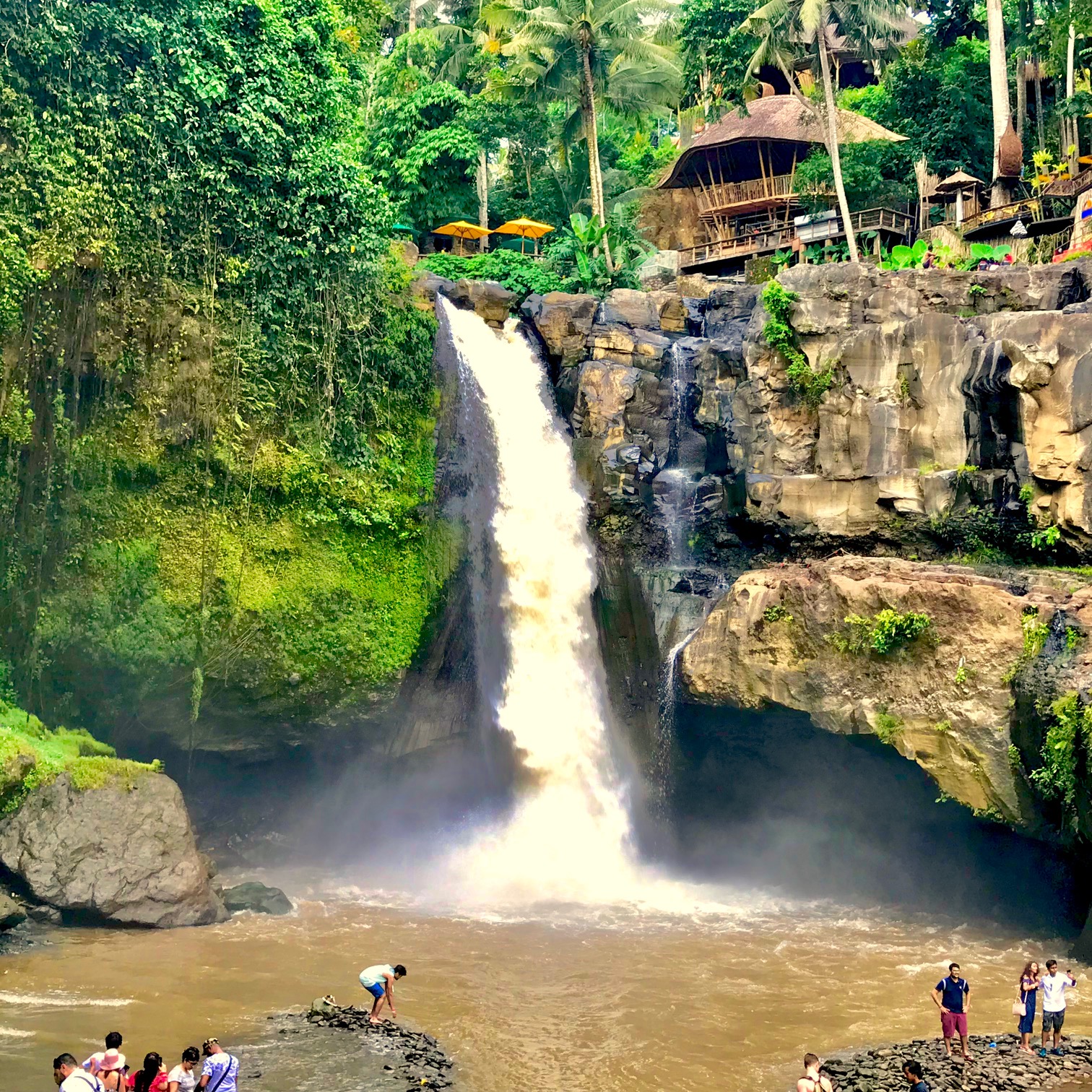
The terrain is comprised of wonderful coastal beaches, dense rain forest, and volcanic mountains.  The ample rainfall makes for beautiful waterfalls.   And there is a bunch of wildlife, birds, all kinds of critters - and monkeys, lots of 'em.


We went to a "monkey forest" which was a well designed kind of national park, but nevertheless was very enjoyable.  There were a lot of monkeys, but frankly we seen monkeys before.  What was more impressive was the incredible massive tropical trees and the water and the rain forest jungle.  It was awesome.


We carried on into the highlands in the center of the island, where there is a large volcano and lakes up in the clouds.  


And more waterfalls, everywhere.    Great fun hiking in to see them.  It's very hot and humid here, and the moisture is thick in the air.   So you get kinda sweaty, but it's worth it. 


Travel goes in stages.  We are well into this trip now, and have entered a new episode.  We are in Southeast Asia.  You have to switch gears.  It was nice to be in English speaking New Zealand and Australia for several weeks. 

But it's time to keep moving.  There are new adventures ahead.   And sometimes you just have to sit and look at the sunset and ponder this great big wonderful world, as Fiona is doing in the picture below. 


Friday, February 15, 2019

Is This Pier the Longest in the World? How Tall Is That Lighthouse?


Looking for Adventure 


Adventure:  an unusual, exciting, daring, or possibly dangerous activity, such as a trip or experience; or the excitement produced by such an activity, with the occasional element of risk.

Example:  "She had some exciting adventures in Africa"  or  "They travelled the world in search of adventure, excitement, new experience, thrills, stimulation, and discovering new things."

That's our goal on these trips - adventure, new things, seeing new places for the first time.  I would never claim that we are breaking new ground, but maybe it could be said that we have an adventurous spirit?  


We make some ambitious plans to go a lot of places off the beaten path, and we often run into some adventure.   In fact, we are looking for it (a little adventure, within reason), going somewhere far away and hard to get to.  

At the current chapter of our Round the World Southern Cross Trip we are in the far southwest of Australia.   This is a very remote part of a rather remote country.   Upon our arrival here, we landed in Perth, which turned out to be a large modern city.  

As much as we enjoy visiting interesting cities, we generally prefer to get out in the countryside (the outback?) and see what's out there.   We're  following that pattern during our travel here in the state of Western Australia.  


We try to do as much research as possible regarding the spots on our journey.   We knew there was an active and thriving wine district based in Margaret River, so that's where we went.  

The far southwest region is also home to to a couple man made landmarks.  One is the Busselton Jetty, and the other is the Leeuwin Lighthouse on the isolated cape at lands end in Australia.   

After a long bus ride of a couple hundred miles, we made it to Margaret River (pronounced in Aussie: MAH-grit Ri-Vah).  It's a quaint little town in the wooded hills not far from the Indian Ocean.  

--------------------------------

At first glance, it doesn't look like wine country.  It's kinda dry, and the woods hide the vineyards.  But they grow many varietals like Chardonnay, Cabernet Sauvignon, and Sauvignon Blanc.  They have to irrigate all the vines, it's rather dry here; and since the seasons "down under" are opposite, it's harvest right now. 


They put nets over all the vines, so it's not the most attractive bucolic scenery.  It's to keep the birds away.  They don't eat the grapes so much as just peck a hole in them so they dry out and rot, or get diseased.  It's a real problem.  I did photo a vineyard without the nets.


We visited several wineries (did I mention I'm in the wine business?) and enjoyed the informal attitude toward tastings.  In fact, they call tasting rooms "cellar doors", and the typical Aussie casual approach is refreshing; they don't take things too seriously. 


I didn't get a lot of pictures, I was too caught up in the experience, all our colleagues on this wine tour were young and impressionable.  I was sort of the crusty old wine expert.  Frankly I don't consider myself crusty or old, but compared to them ... well, let's just say I was a more seasoned wine veteran. 

-------------------------------------


The Busselton Jetty 


We set out yesterday to visit the historical Busselton Jetty, which is actually a pier - the longest pier in the world ... or something like that.  The claims are very dramatic - it's the biggest this, or the longest that, or the maximum length of ...  


But I don't want to downplay the impact of this structure.  It was something they started building 150 years ago because the shoreline is very shallow and they needed to be able to unload ships and people (settlers?) into this part of the world. 


We walked the entire way out to the end; it is 1.84 kilometers long, which equates to almost a mile and a quarter.  It was so far that you could hardly see land once you got out to the end.  They even have a train that runs out there!


The weather here is sunny and warm, it was a great day, not to mention the sunny beaches nearby with an elaborate pirate ship playground for kids.


The Cape Leeuwin Lighthouse 


Then we made our way to Cape Leeuwin, the ultimate southwest point of the Australian continent.  It is a significant and striking location, where two major oceans meet; the Indian Ocean and the Southern Ocean.  


It has been a very dangerous cape for early explorers and sailing ships.  After several catastrophic shipwrecks, they decided to build this very impressive lighthouse, which still functions and protects ships from the rugged coastline.  


We climbed to the top, which made me nervous.  I'm not real good around heights, and this thing was almost two hundred feet high, the tallest lighthouse in the ... something ...
It was super windy up there!


It was named after the Dutch ship Leeuwin (Lion, in English) which was the first European vessel to sight this place, in 1622.  The story of the lighthouse is inspiring, and the scenery is breathtaking, especially when you climb to the top of the lighthouse.  

It's on a peninsula, and when you look at it from above (like the top of the lighthouse) you can see the two oceans.  The waters are two different colors. 


The view of the two oceans meeting makes an impression on a person.  It's remote and exciting and dare I say, adventurous? 


Tuesday, February 12, 2019

Travel Notes - Look Both Ways Before You Cross the Street, and Then Run Like Hell


We are in Perth Australia now, but let me digress with a brief travel essay ...


------------------------------------------

The way people cross the street has a lot of variation from place to place.  In other words, when you want to cross a road, do drivers stop for you or, do they ignore you, or speed up or ... well, what do they actually do?

On this particular journey, we have experienced a wide range of reactions from drivers.  For example, when you step off a curb (or kerb in "proper English"), what should you expect to happen?  

As a long time runner, I have learned to never expect someone to stop for you.  I'm always careful to wait to see what a car and driver are going to do.  But it varies from place to place.  Part of it is cultural. 

And another issue; what sort of provision have the local authorities made for you to cross the street?  Is there a crosswalk?  A walking signal?  A little green man on the traffic light to indicate you can walk now?

We have run the gamut of reactions, and I will describe them as follows:

1.  The drivers in Tahiti are the most respectful of walkers that I have ever seen.  If you even stick a toe into the street, the drivers will come to screeching halt immediately.   It was almost weird how quickly they ALWAYS stopped to allow you to cross. 

2.  How much people walk - the amount of locals that walk to get somewhere - has a big effect on how much drivers will stop at cross walks.  The more walkers, and the more common it is to walk, the better your chances to cross a road (or be allowed to).  If people don't walk much, they ain't gonna stop. 

3. Australians are frankly terrible not very good at giving way to pedestrians.  There are no crosswalks at most intersections, so you have to make a run for it whenever you can.  And they don't stop!  You'd better be pretty good at estimating your chances, because the failure to plan means you're planning to fail.  Death is not a good alternative. 

I said to Fiona at one point "pedestrians have no rights to cross a street here in Australia, your only right is to die!"   Okay, maybe that's a bit strong ... 

4.  And another challenge is that here in Australia (and New Zealand too) they drive on the other side of the road, like British style.  So when you cross the street, you have to look the other, opposite ...  what seems like the ... wrong way.  It's very counter intuitive.  You have to be on your toes!  Pay attention!  Your life depends on it!

5.  One rather fascinating style of crossing streets took place in New Zealand.   At most major intersections, they shut down the whole shootin' match and everybody just starts crossing in whatever direction they please.  It takes some getting used to.   It's kind of fun to watch, like controlled chaos, but it works, and it's pretty efficient.  

I captured a video of this impressive procedure:


--------------------------------------

So we are now in the far west corner of Australia. There are six states in Australia: Queensland, New South Wales, Victoria, Tasmania, South Australia, and - Western Australia - where we are for the next few days


Western Australia is one of the more remote parts of the world.   Australia in general is a fairly remote place and hard to get to. 


But in this corner, it's one of the remotest parts of a remote country.  And candidly I did not expect to encounter what we found here in Perth.  It's much larger and more modern that I thought.  (I'm not sure what I expected, but not this)  


It's a large city, over two million, and seems rather affluent, as a result of natural resource extraction, like mining.  It's right on the west coast of the nation, on the Indian Ocean.  The weather is fantastic and the people are friendly and so far it's been one of our favorite spots on the trip. 

There is a major wine region here also, Margaret River, where we find ourselves tonight.  

Anyway, I've chosen to include a few pictures of the Perth region.  


We went to the Gold Museum here, also an example of natural resources here.  They had a big gold rush in the 1870's which attracted a lot of people and the population grew dramatically. 


I was able to pick up a replica of the largest fold nugget ever found, in a distant part of Western Australia.   The original was over 150 pounds.  


And check out this bad boy, a giant solid gold coin that weighs a ton!  It's worth like 60 million dollars - and it was real!  


And you can weigh yourself to see how much you are "worth your weight" in pure gold.  Quite a lot it turns out. 


Most of cities in Australia have done a good job with maintaining a strong sense of outdoors, even in the city, with great parks and green spaces. 


We are looking forward to the next couple days here as we get further out into the more remote regions of Australia. 


Will the drivers give you a chance to cross?  

Saturday, February 9, 2019

The Driver Hit the Brakes Hard and Swerved, Barely Missing a Kangaroo


We were deep in the Australian outback, and the sun was going down.  Those of us on the bus were tired and not paying much attention.  

The driver suddenly hit the brakes, and jerked the wheel.  He had mentioned there were a lot of Kangaroos in the area, and it's a bad idea to hit one.  We almost did.  

You have to pay attention when you're driving in Australia.  There are a lot of animals and they wander onto the road ... some of the kangaroos cam be six feet tall and weigh 200 lbs.


So we have made our way to the bush here in Australia and have been busy since our arrival on Tuesday from New Zealand. 


Today was a long day with a visit to the Great Ocean Road along the southern coast of the country, a place with a lot of history and many amazing views.  Then we went inland to visit a mountain range.  We were off the grid for a couple days.  

--------------------------------------


The day started out in Melbourne and ended up tonight in the Grampian Mountains in the middle of ... well, it felt like the middle of nowhere.   
  

We landed in Melbourne for the first time; we had been to Australia a couple times, but in the Sidney area.  This was new territory for us.  We were full of anticipation of good things. 

For starters, we were going to see our friends Luke and Yana, and have a good look around.  We had been in contact with them ahead of time, knowing that we had a stop here on our Southern Cross trip around the world (I like to give our journeys a name).

Only there was a slight wrinkle in the plans - turns out Yana is pregnant and about to give birth to ... twins!  Like any day!   Wow, that's a pretty big deal!


But we had a great day with them, driving around the Melbourne area and visiting a winery and a couple of beaches and other sites.  Melbourne is a big city with a lot of things going on.  We loved it there.  It was great to see Luke and Yana. 


On the Road and Off the Grid 


Early the next morning, we left for a trip along the coast - on the Great Ocean Road.  It's an amazing highway built by hand a hundred years ago.  We were interested in seeing Australia outside the big cities, and off the beaten path.  


However, this time of year in Australia is peak season for holidays and tourists, so a lot of other people had the same idea.  There were a lot of people and buses out there.  But it was still great and we got to see some spectacular coastline and rock formations.   


However, it was a perfect day and the water color was a reflection of the clear blue skies.   It is an incredible stretch of coastline.

You can get pretty far out there - outback? - and once we left the Ocean Road, we were the only ones around.  And we stayed overnight in a mountain camp in a rather remote spot. 


The next morning we got up and set out early to hike in the mountains, visit some unique settings, and check out a waterfall and some amazing viewpoints.  All together it's been a great few days.  


You might think that the Australian bush is a dry, empty desert (I know I did) but it's a big country and there are a lot of natural wonders.  The southern coastline is rugged and really interesting, and once you get away from the ocean, there are tropical rain forests and jungles.  


We drove for a long way into the interior of Australia and made our way to Adelaide.   It was quite a ways, but distance is relative.   It felt like a a long trip, but we were sitting on a rather crowded bus.  At the risk of repeating myself, it's a big nation and and we barely covered a quarter of the way across.  


-----------------------------------

We are five weeks into our journey.  Sometimes the days go by fast, and when you stop and look back at where you've been, it can be surprising. 

And this stuff does not happen by accident - it takes a lot of effort to make connections and organize travel plans.  And things don't always work out.  

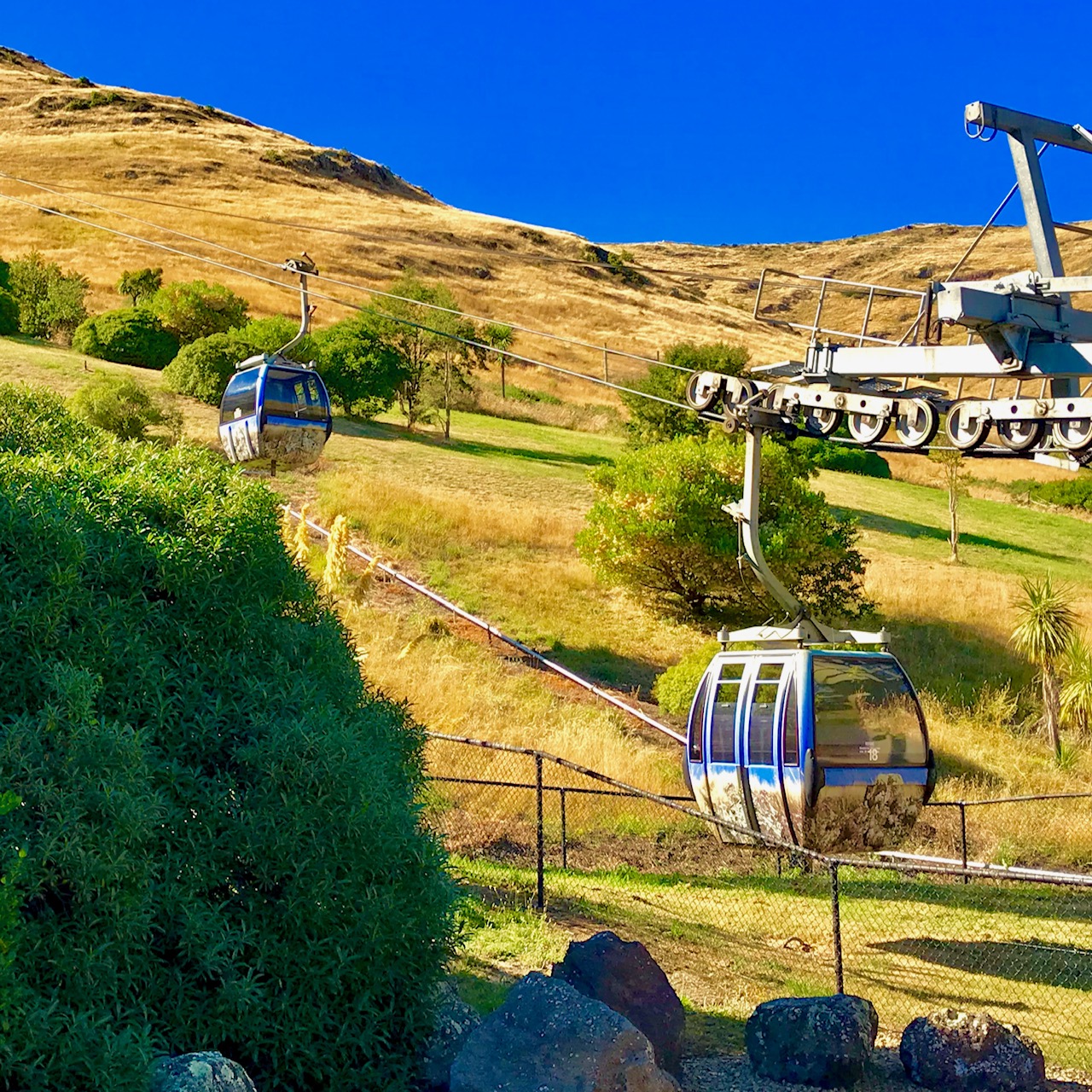
For example, we had taken a side trip up a hill in Christchurch New Zealand, to ride a tram.  We thought we had plenty of time to get back to town, pick up our bags and get to the airport. 


Only we found out that the bus back to town takes an hour off for the driver to have lunch - ?!?!
So any cushion we had ... evaporated, and we had to scramble to find another bus to get us back to town, then find our way (on foot) back to grab our bags.  

This included speed walking in the heat of the day, and then finding another bus to the airport by pretty much running down the street.  We eventually made it, but it was a close call, and not the least bit fun. 

Things don't always work out smoothly.  But it's never a dull moment, and most of the time it can be wonderful.    


Monday, February 4, 2019

This is a Wine Lover's Paradise!


It's nice to stay in one place for a while.  We generally move from country to country on a fairly consistent basis, but we will spend almost two weeks in New Zealand by the time we leave.  

Of course, staying in one place is a figure of speech, since we'll have actually stayed in five different places within New Zealand (NZ for short) with more to come.   And we try to keep our days filled with activities, so it's not like we're resting or anything.  


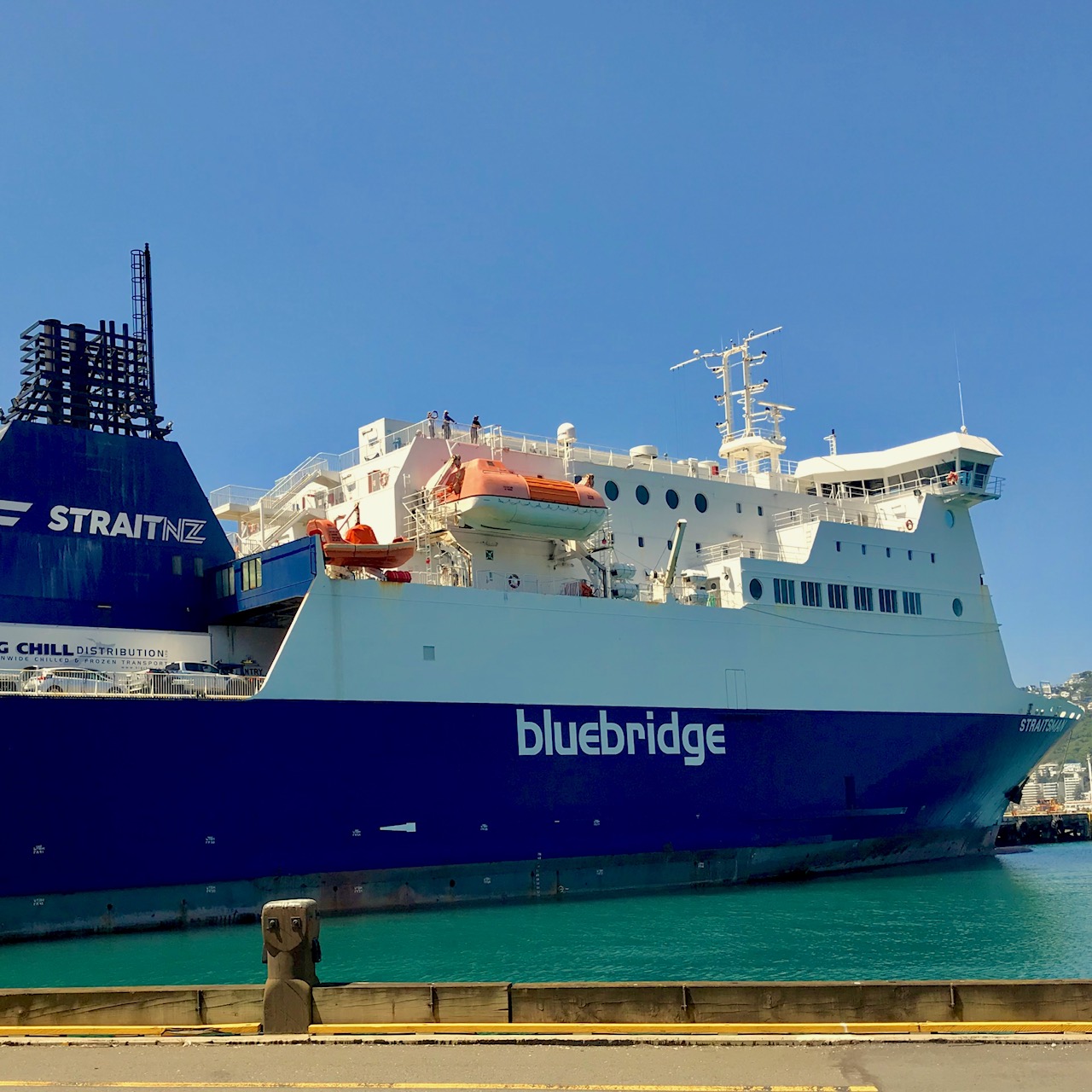
With that in mind, we are now on the South Island of NZ, after sailing across the Cook Strait in a huge ferry.  There's that name again; Captain James Cook left his indelible imprint on the Pacific Ocean, and because he was the first to see a lot of this stuff, he got to name it.  


We were in Wellington, the capital of NZ at the southern tip of the North Island, and the best way to get to the other side is on a boat.  It's a really big boat, and takes 3 1/2 hours to get across.   The weather was good, although a bit windy which is common around here.  In fact, it's fairly breezy all the time, bordering on high winds. 


We crossed over to Picton and Blenheim, on the north end of the South Island.  If this north/south thing sounds confusing - it is!  I have been mixed up on which direction is which, and various other major orientation issues.  What day is this?  Is it tomorrow for those at home? - yes, NZ is 22 hours ahead of Oregon.  Which direction does the weather come from?  How come the sun goes down in the East?  (It doesn't, I'm just turned around!) 


How to speak Kiwi - that's the nickname for New Zealanders


And once you get to Blenheim (pronounced Blenum) well, you have arrived at the epicenter of one of the world's great wine regions = Marlborough (pronounced Mar-bruh).  

If you haven't guessed by now, the Kiwis have a funny way of pronouncing words or names.   For example, we were talking to a wine grower and he said pretty soon they were going to put up the "nits".  
"The nits?"  
"Yih, you know, the mesh cloth things that cover the vines to keep the birds away".  
Me: "Oh, you mean 'nets?' "
"Yees!", he joked, "and I won't want to have to expleen it ageen!" - (explain it again). 

Marlborough is an amazing region with two very large valleys, it's a prime area in the world for Sauvignon Blanc white wine.  They are really good at it.


In fact, part of our visit here was to see some friends, Jeff and Evie, who moved here from Oregon to be in the wine industry.  Jeff is a pretty high level manager in a major winery facility here, and he gave us a tour.  It was amazing.   Local Jefferson boy makes good!


I mean, this is like no other winery I've ever seen, it was gigantic.  They had tanks that held 300,000 liters and stood 80 feet high, and they had like a hundred of 'em.  The volume of wine they produce is staggering.  


Jeff showed us around and after spending some time with him and Evie, we went on a wine tour of the local region.  It was very impressive.  In addition to their specialty of Sauvignon Blanc, they also produce Pinot Noir.  


And the area is beautiful.  Rolling hills, vineyards everywhere, nice winery facilities - it's all good.  The wine industry in New Zealand is world class, and most of it gets exported.  As Jeff says, "we produce a lot more wine than we can drink here."


Interesting note about the town of Blenheim.  For all you Oregon State fans out there, it was once known as Beaver Town.   Of course, there aren't any beavers in NZ (it's kind of a North American thing), but it was a rather swampy place in the early days and earned the Beaver tag.  


They even have a couple of bronze statues in the local park.    Ha!


Then, on to Christchurch


We left Blenheim on the train to travel to the middle of the South Island of NZ.  It was a rather long journey partly because we had to go slow.  There have been several major earthquakes in New Zealand in the last few years, wreaking havoc on transportation, among other things.  


We were a bit lucky, because the train just opened up in the last couple weeks, after extensive repairs to the tracks along the coast (which took years).  It was a spectacular ride, and occasionally we got nervous. 


As we made our way south past the bad section of track the scenery became extraordinarily pleasant.  The train has an open car where you can hang our and take pictures. 


And when we reached Christchurch, our final destination in NZ, we saw evidence of the devastation created by the last major earthquake.  It takes a long time to rebuild from these things, and the local historic cathedral was still in a state of disrepair as they work on fixing things. 


But Christchurch is a beautiful place with lots to see.  We finish up our time here and tomorrow we depart for Australia.